








What happened
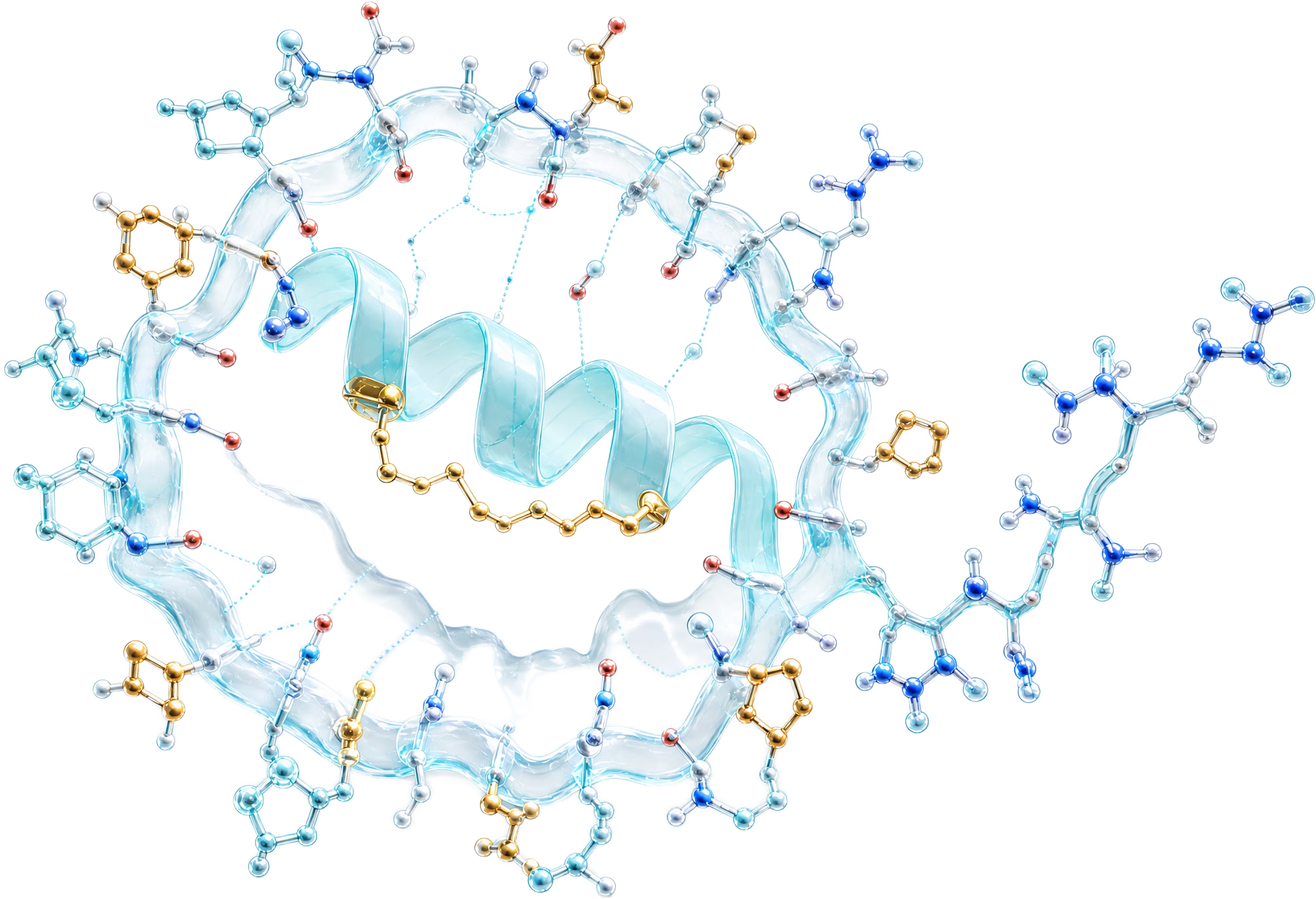
An eLife paper published October 12 examines how chromosomes are repaired after CRISPR-Cas9 cuts DNA in experimental human cells. The researchers used a single-cell method that tracks inherited DNA strands. It allowed them to detect sister-chromatid exchange: DNA swapping between the two newly copied versions of a chromosome. Because those copies are nearly identical, a swap may leave no ordinary sequence change for conventional sequencing to detect.
Why it matters
A test that checks only the DNA letters near a planned cut can report no visible change while missing an exchange between nearly identical chromosome copies. By tracking strands, this study reveals a repair outcome that such a check may not capture; the paired-daughter-cell findings also show why exchanges cannot automatically be assumed harmless or error-free.
For teams assessing edited cells, the practical implication is to investigate whether additional methods reveal outcomes their current checks miss. It is not a finding that existing gene-editing treatments are unsafe, or a measured rate of clinical harm.
Evidence
When Cas9 targeted a unique genomic site, sister-chromatid exchange at the break site reached up to 41% of cells in the same cell cycle and 17% in the subsequent cell division. Those are findings in experimental human cells, not rates of harmful changes in patients.
Cutting at 237 repeated Alu sites produced a milder overall enrichment in exchange, with a stronger association in cells carrying more exchanges. The difference between these experiments matters: the result at one targeted site should not be treated as a general rate for all editing targets. Analysis of paired daughter cells also found large structural alterations on some chromosomes with Cas9-induced exchanges. An exchange therefore was not always evidence of clean, error-free repair.
eLife assessed the paper's significance as **important** and its evidence strength as **compelling**. Those are assessments of the research, not grades of clinical safety. This version of record is new to the publication window, although reviewed preprint versions appeared earlier.
What remains unknown
The study does not establish how often these events occur across other cell types, editing methods, or target sites. Nor does it show how often clinically manufactured edited cells carry harmful changes. An exchange that leaves no apparent sequence change could be important to detect, but this experiment does not establish whether such an exchange affects a patient.
Who may be affected
The immediate audience is genome-editing researchers, developers of edited-cell therapies, and teams designing tests for unintended editing outcomes. The study does not show that patients receiving gene-editing treatments have been affected.
AXIONOVA connection
The finding bears on how researchers judge the precision of genome editing, particularly which outcomes their tests can detect. A next research step is to use strand-aware methods in cells relevant to edited-cell therapies and determine whether the exchanges occur there and have consequences beyond the laboratory.
What ALETHA can explain
ALETHA can explain why DNA swapping between nearly matching chromosome copies may leave no detectable sequence change, and how tracking inherited strands offers a different view of repair. It can also clarify the boundary of the finding: this is a laboratory signal relevant to quality-control research, not demonstrated clinical risk.
Action posture
Informational: The finding informs research and measurement practice, without establishing a patient-specific safety instruction.