











Ten Biological
Systems.
One Structured
Framework.
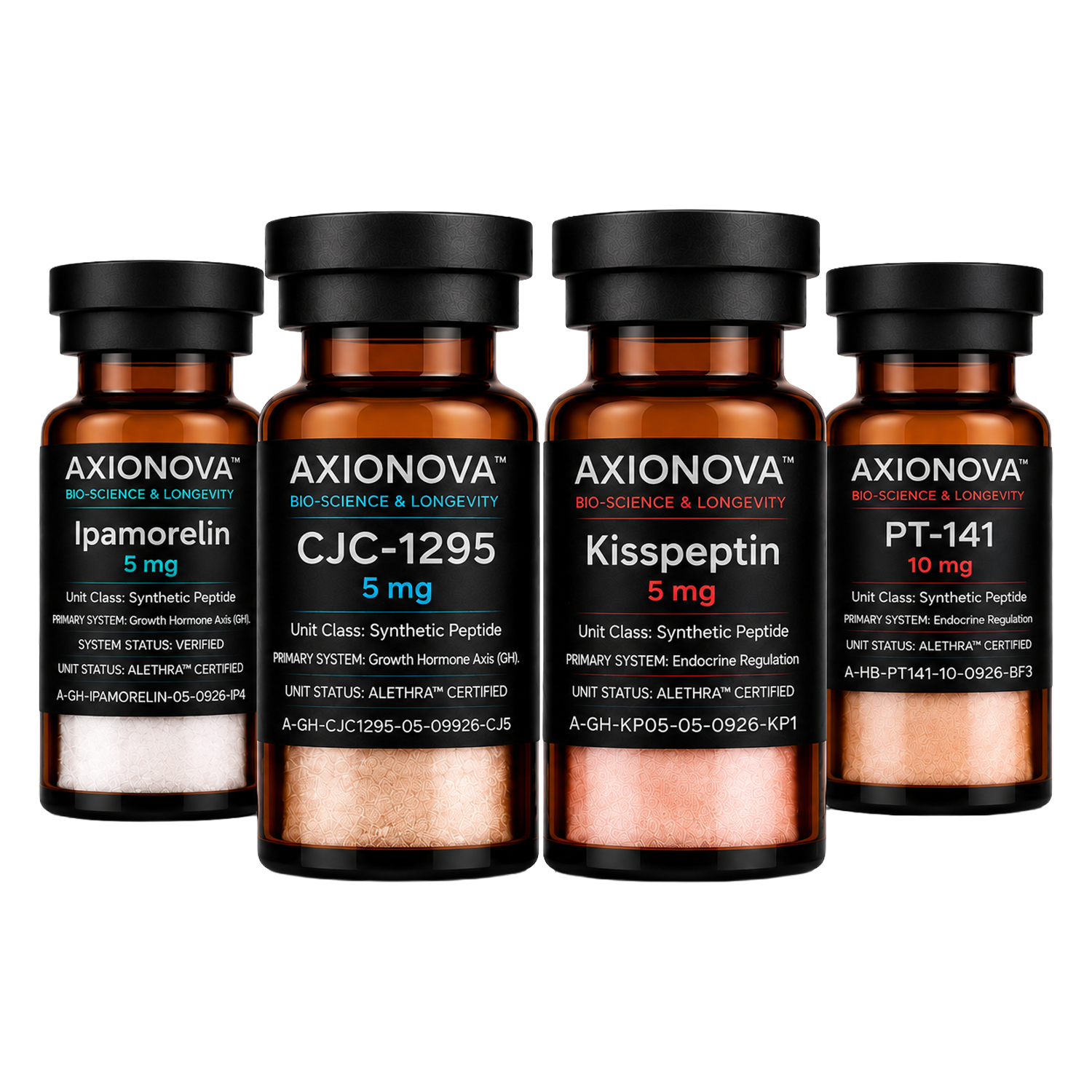
Every AXIONOVA™ unit is catalogued inside one of ten functional systems. The taxonomy gives practitioners one structure for evaluating mechanism, protocol fit, pathway overlap, and monitoring requirements.
Hi, I am ALETHA. I help you understand your data and prepare it for your practitioner. I do not make clinical decisions; your practitioner does.
ALETHRA™ governs; ALETHA™ guides. Governing systems
ALETHRA™ governs the system.
ALETHA™ guides the experience.
ALETHRA™ governs the system. ALETHA™ guides the experience. See architecture
Every biological
system needs
context before
interpretation.
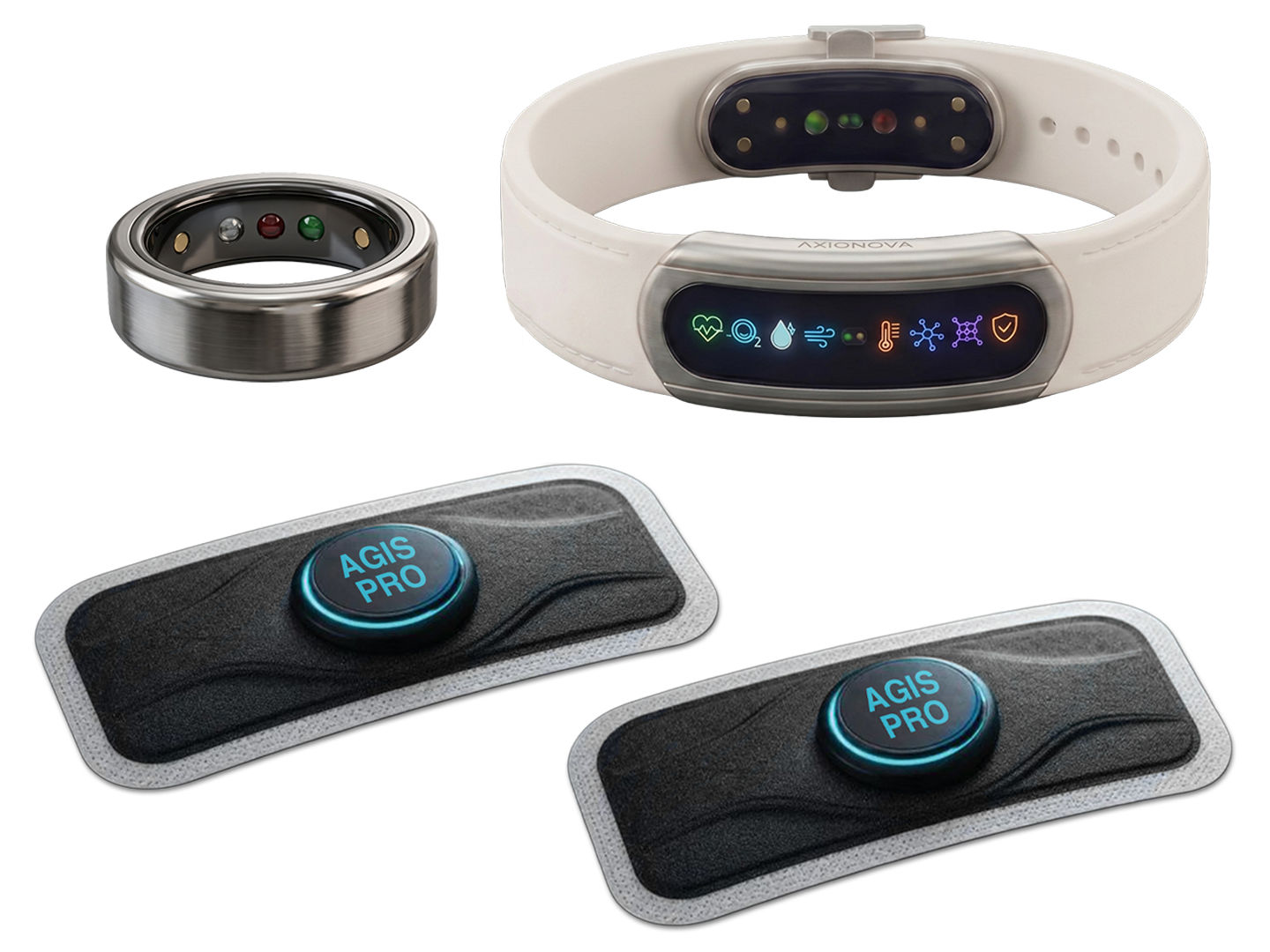
The AXIONOVA™ Ring and Bracelet add the observation layer around each system. They contribute HRV trend, sleep, temperature deviation, body-context, and recovery signals that place a protocol in time for review.
Context, not proof. ALETHA™ never treats a wearable trend as proof of repair, hormone change, or metabolic correction. It places observable context beside the protocol, and a licensed physician authorizes every clinical decision and prescribes all compounded therapies based on individual patient evaluation.
Measure the baseline.
Govern the system.
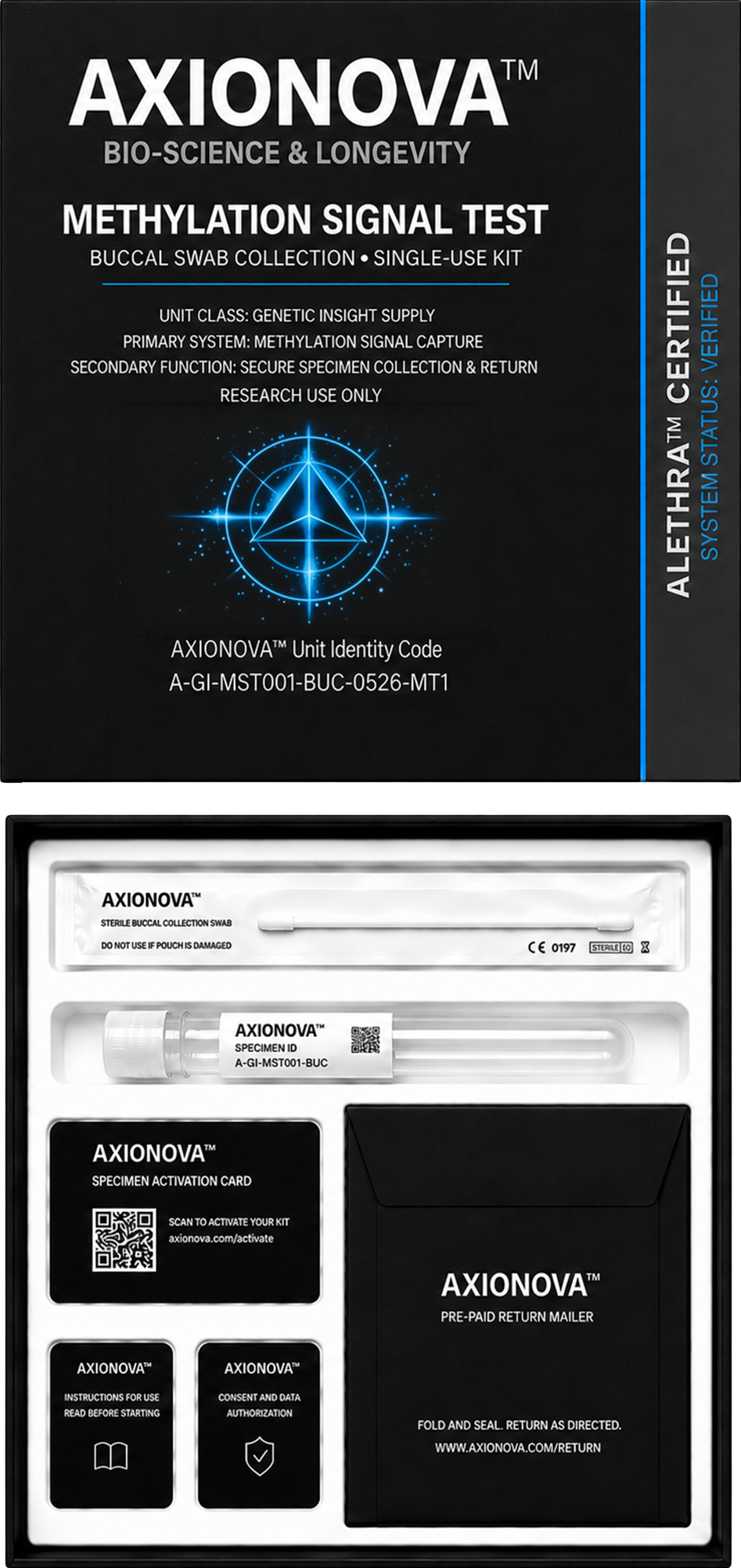
The AXIONOVA™ Ring and Bracelet wearables observe physiological context in real time. The AXIONOVA™ Methylation Signal Test establishes the biological baseline underneath it.
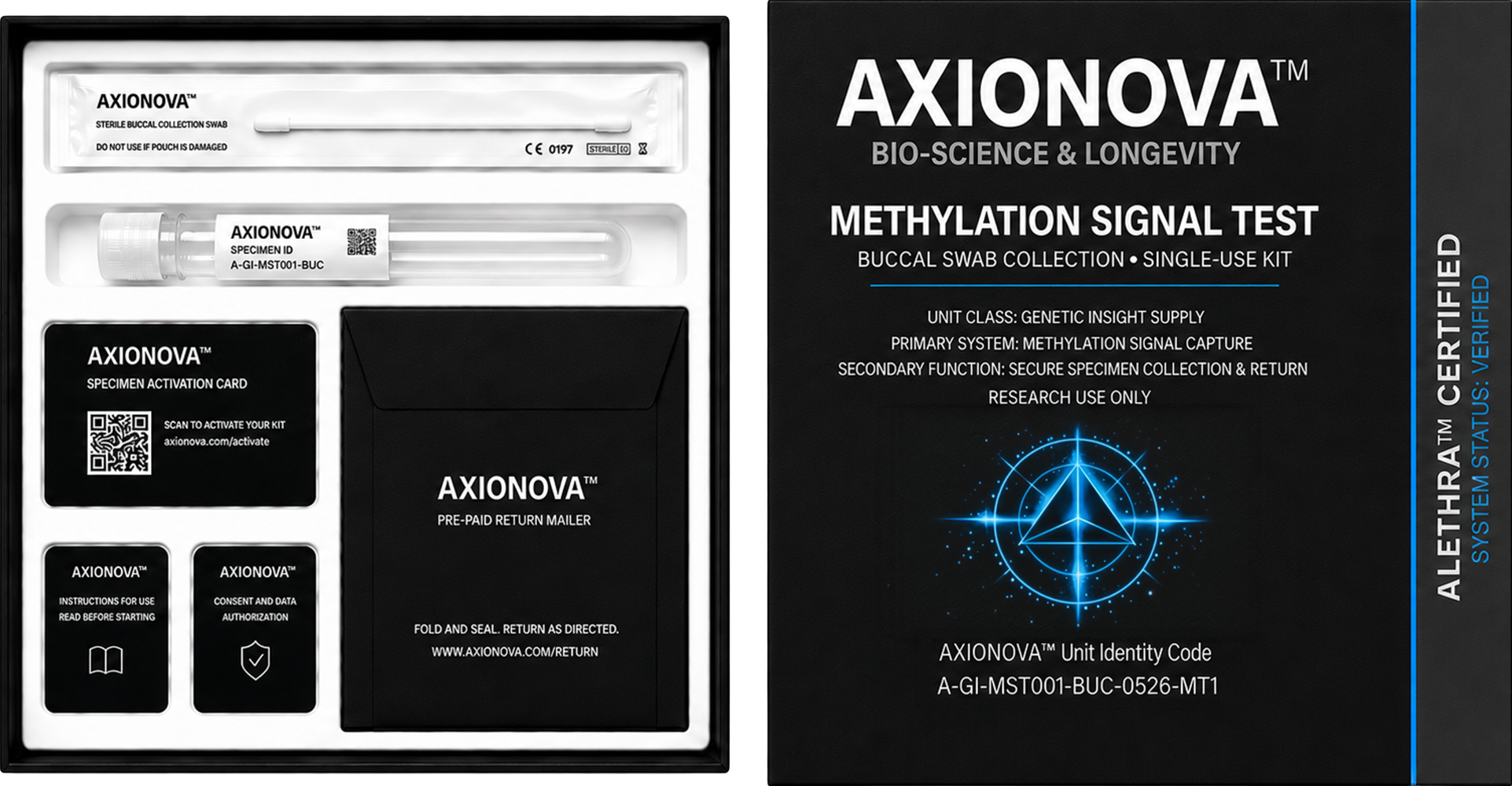
A single-use buccal kit gives ALETHA™ the methylation patterns needed to evaluate pathway efficiency across all ten systems, preparing compound, dosing, and protocol context for licensed physician review.
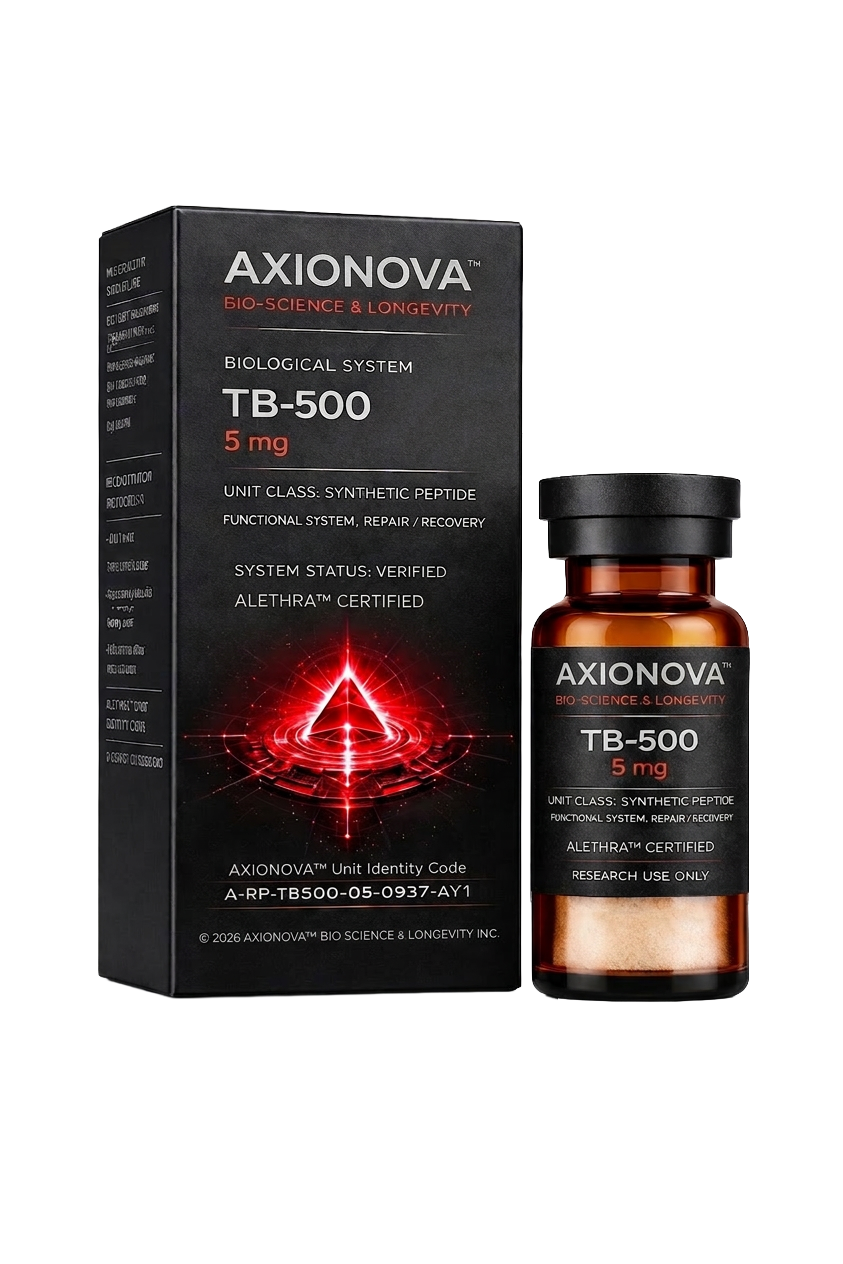
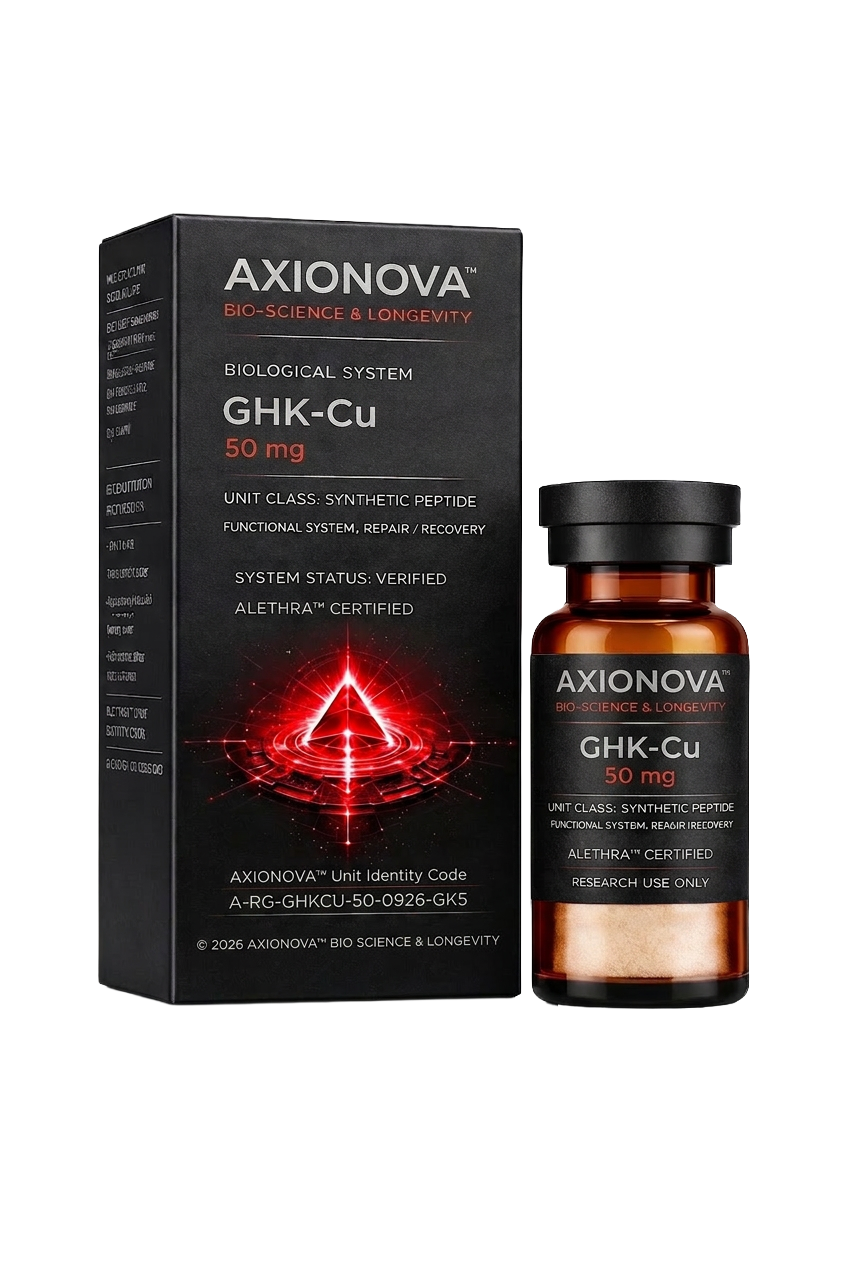
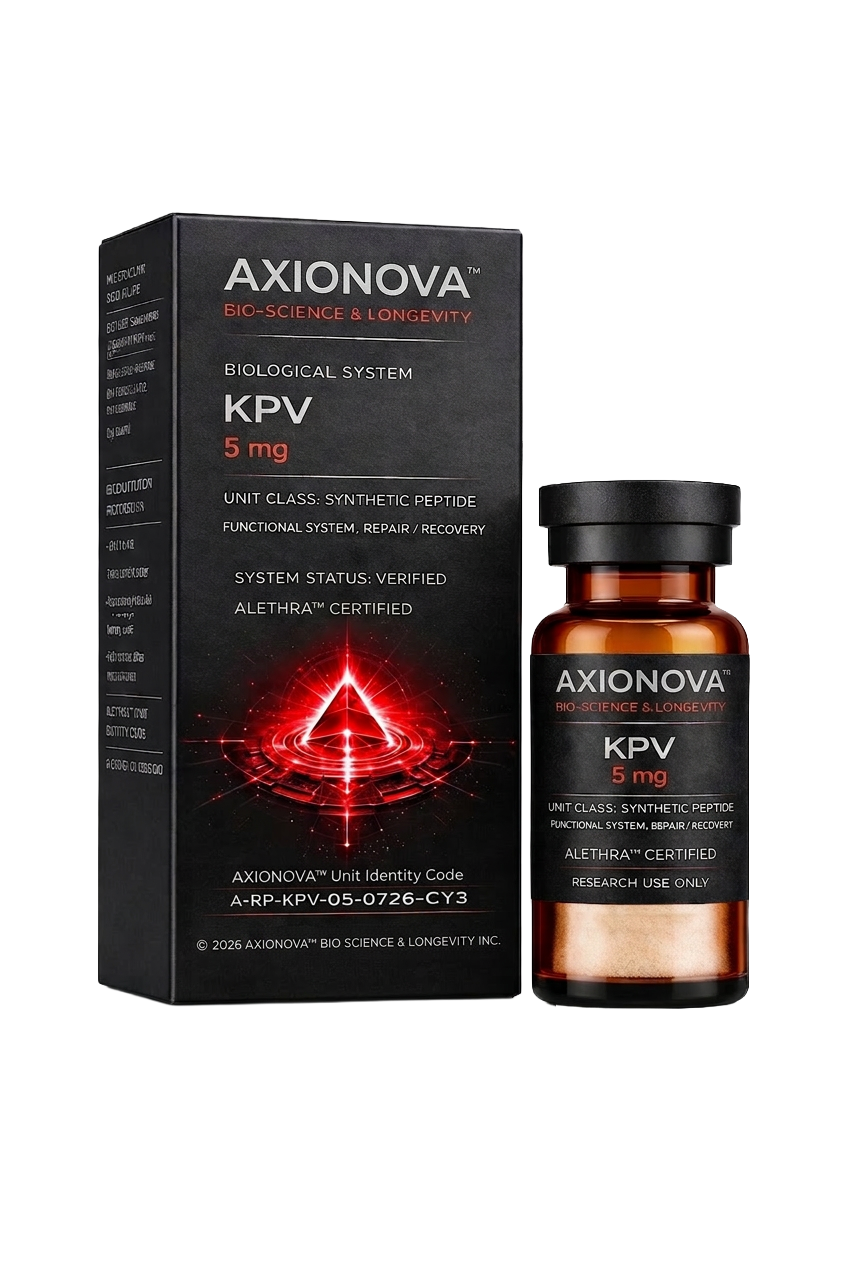
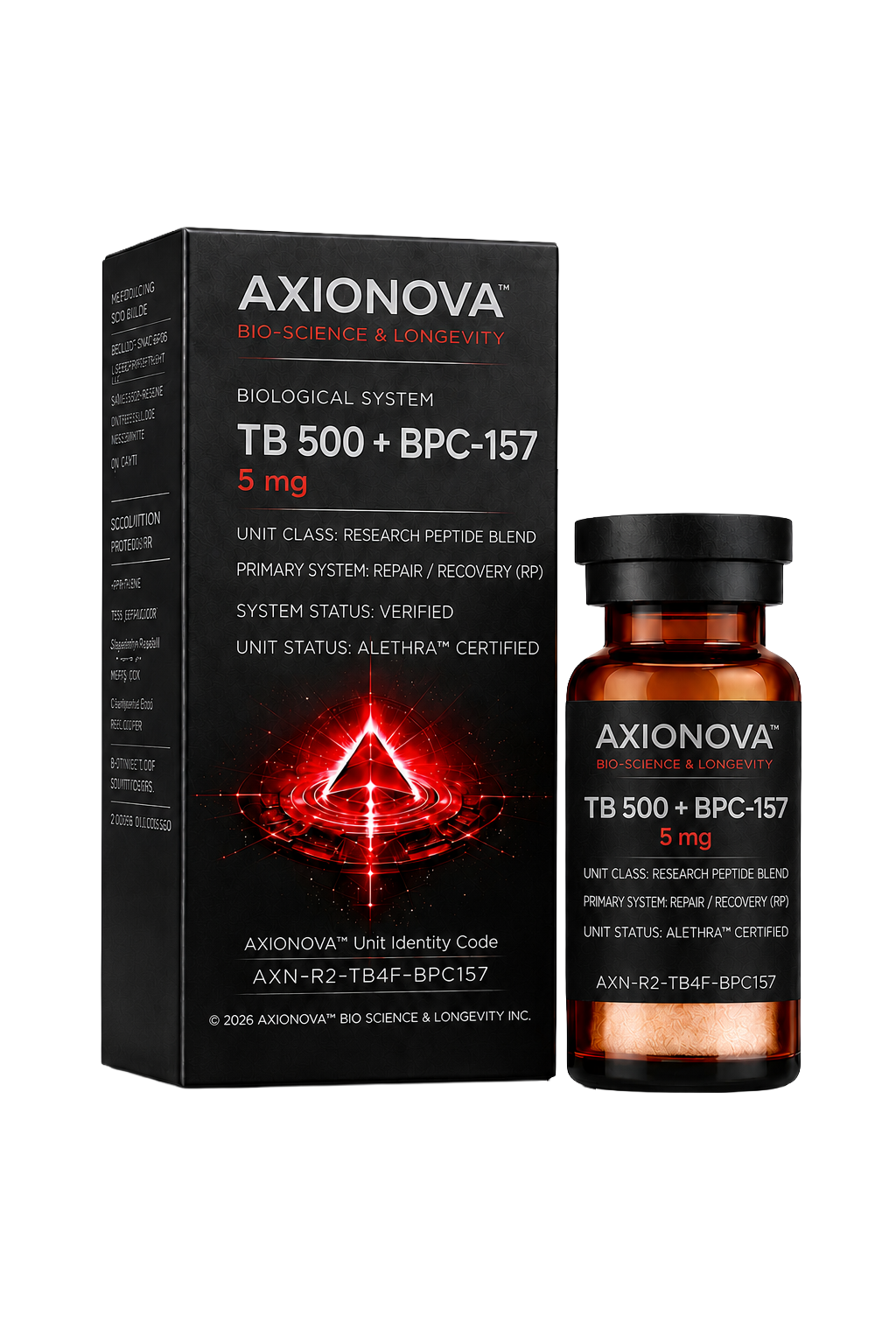
Repair / Recovery
Tissue integrity, inflammatory balance, angiogenesis, and connective-tissue remodeling.
The Repair / Recovery system focuses on tissue integrity, inflammatory balance, angiogenesis, and connective-tissue remodeling. Formulations in this class target pathways involving fibroblast activity, soft-tissue recovery, gut-barrier context, skin repair, and post-stress structural support, and are compounded per prescription under practitioner supervision.

Metabolic / Body Composition
Lipolytic signaling, energy partitioning, hepatic fat metabolism, and insulin-pathway support.
The Metabolic / Body Composition system addresses lipolytic signaling, energy partitioning, hepatic fat metabolism, and insulin-pathway support. Formulations in this system address body-composition, metabolic flexibility, and adipose-tissue signaling, and are compounded per prescription under practitioner supervision.

Regenerative / Longevity
Cellular renewal, telomere biology, senescence pathways, and long-range healthspan signaling.
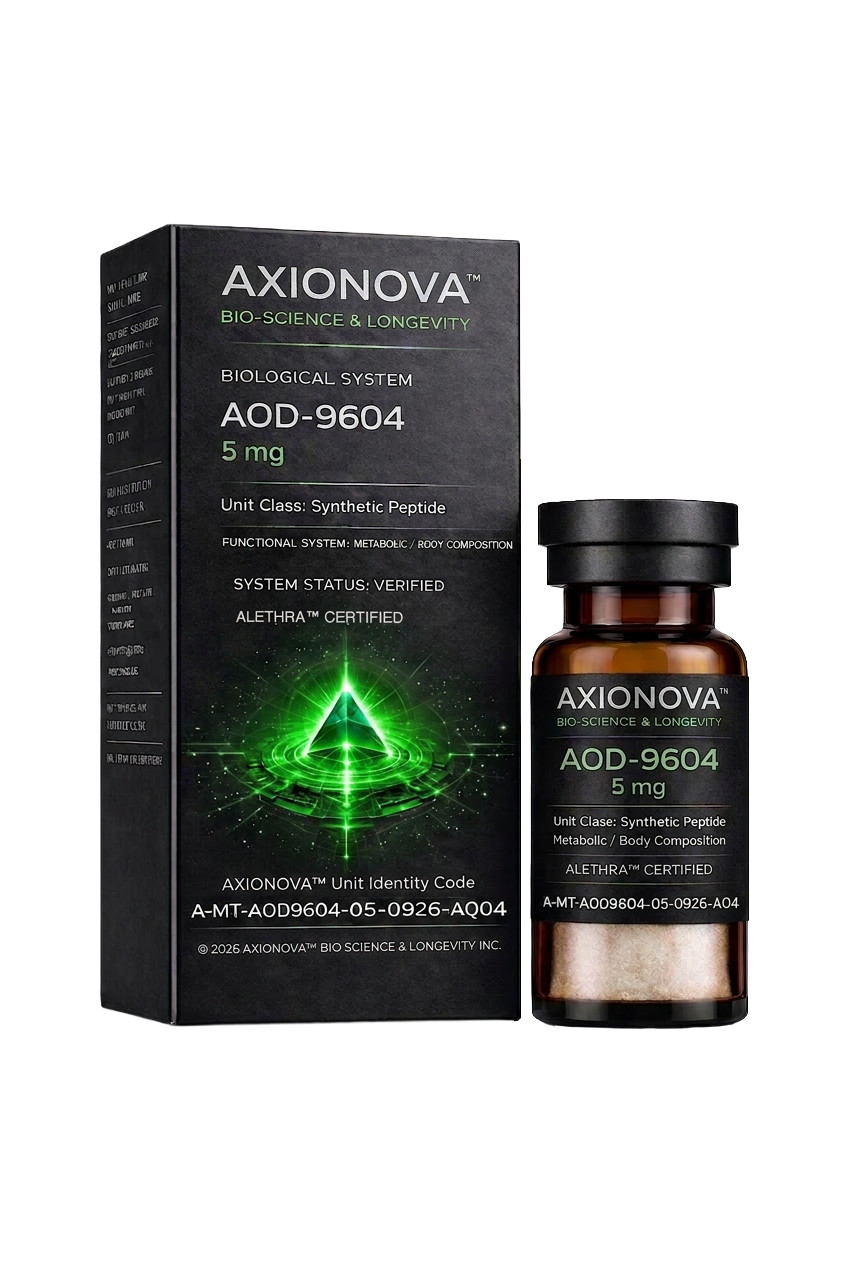
The Regenerative / Longevity system focuses on cellular renewal, telomere biology, senescence pathways, pineal-axis support, and long-range healthspan signaling. It is structured for protocols that require careful timing, cyclical use, and documented pathway rationale.

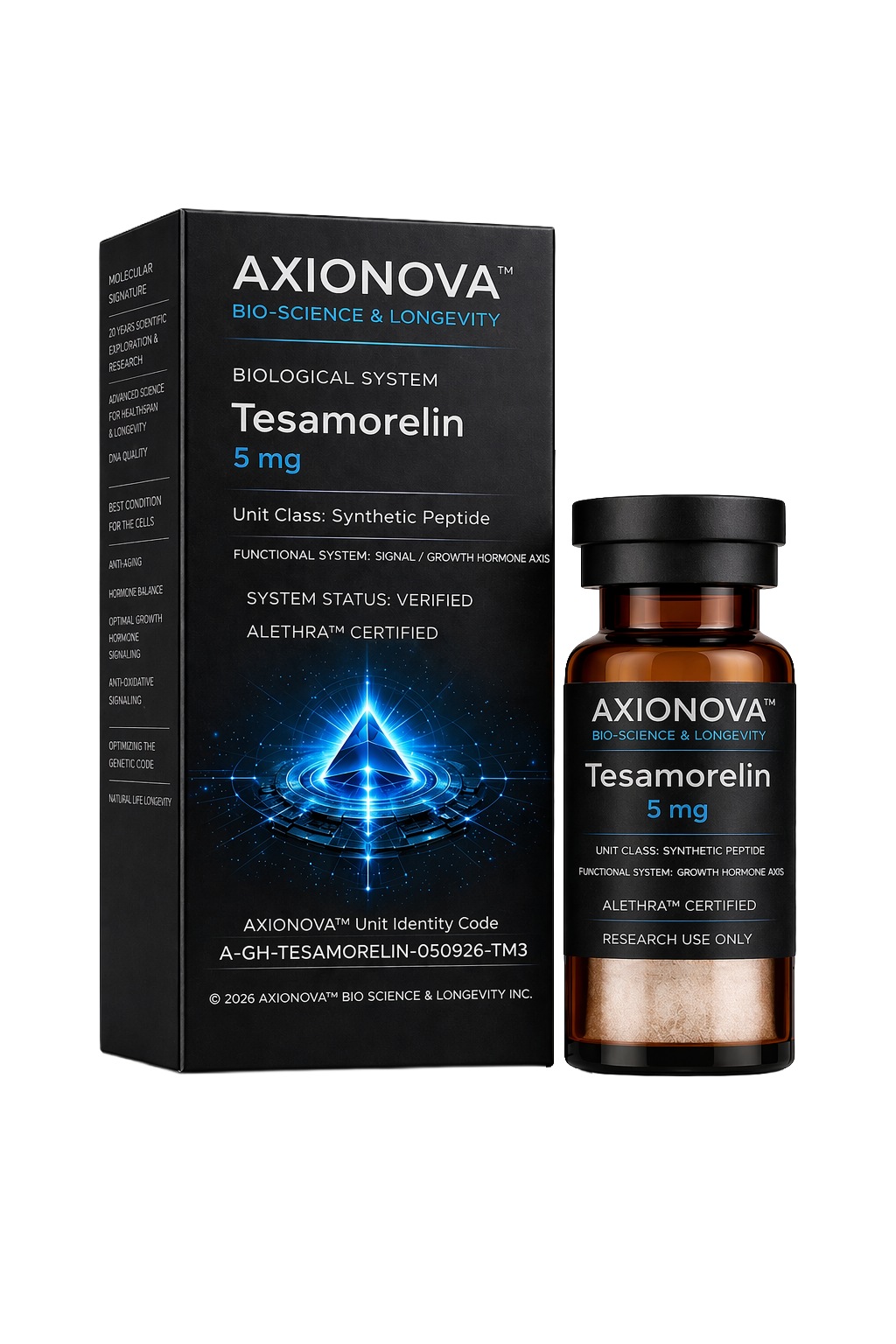
Signal / GH Axis
Endogenous GH pathway, pulsatile release, and IGF-1 signaling.
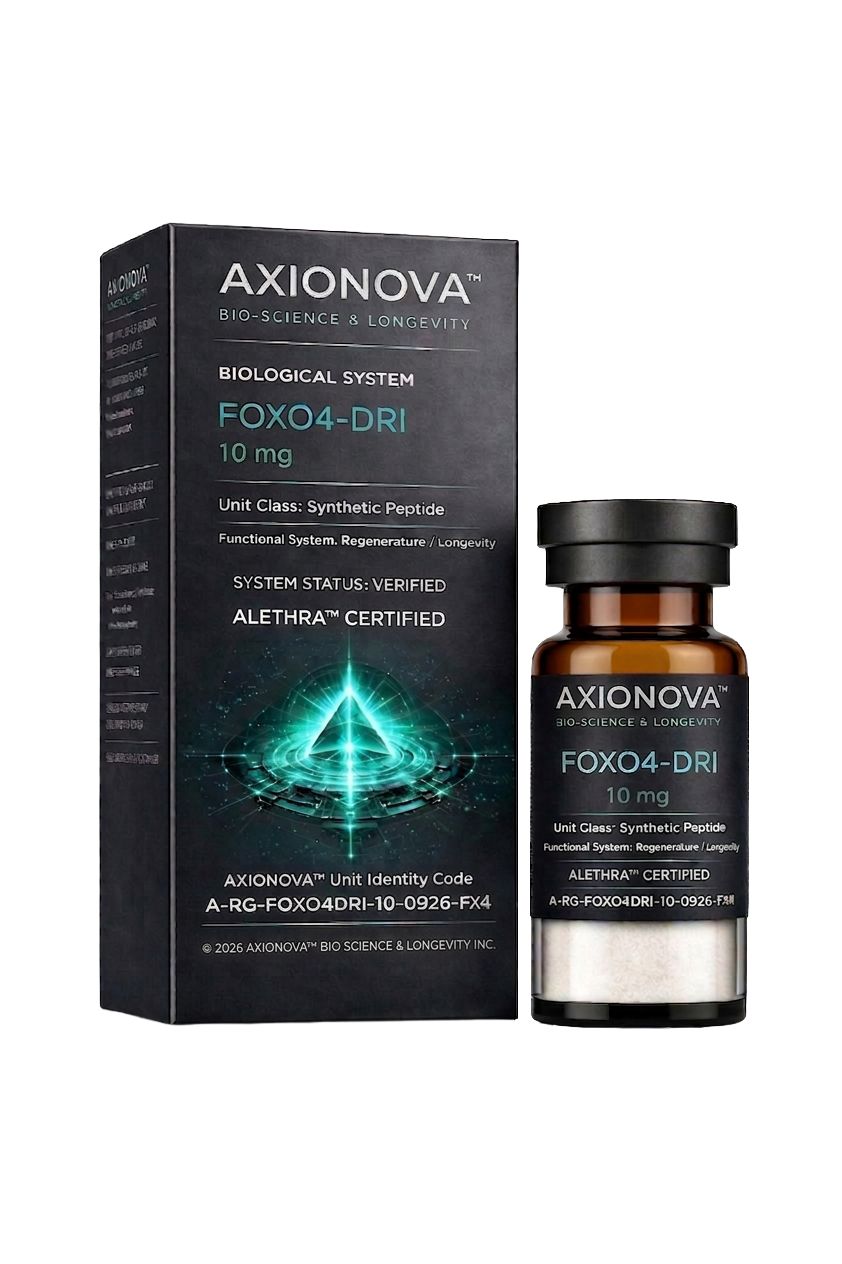
The Signal / GH Axis system evaluates endogenous growth-hormone pathway support, pulsatile release architecture, IGF-1 context, and recovery signaling. It is positioned for practitioners studying signal-axis modulation rather than exogenous hormone replacement.


Neuro / Cognitive
BDNF signaling, synaptic plasticity, memory, and neuroplasticity.
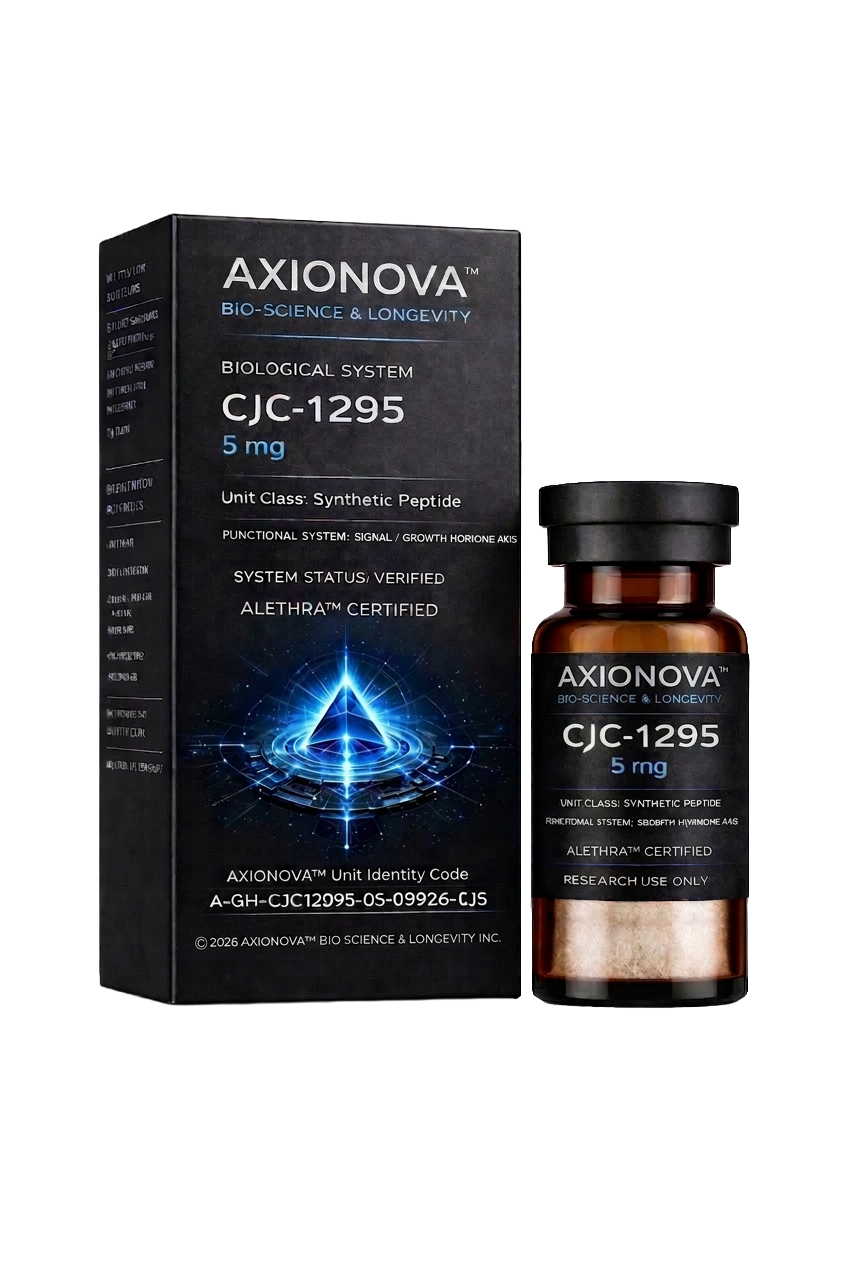
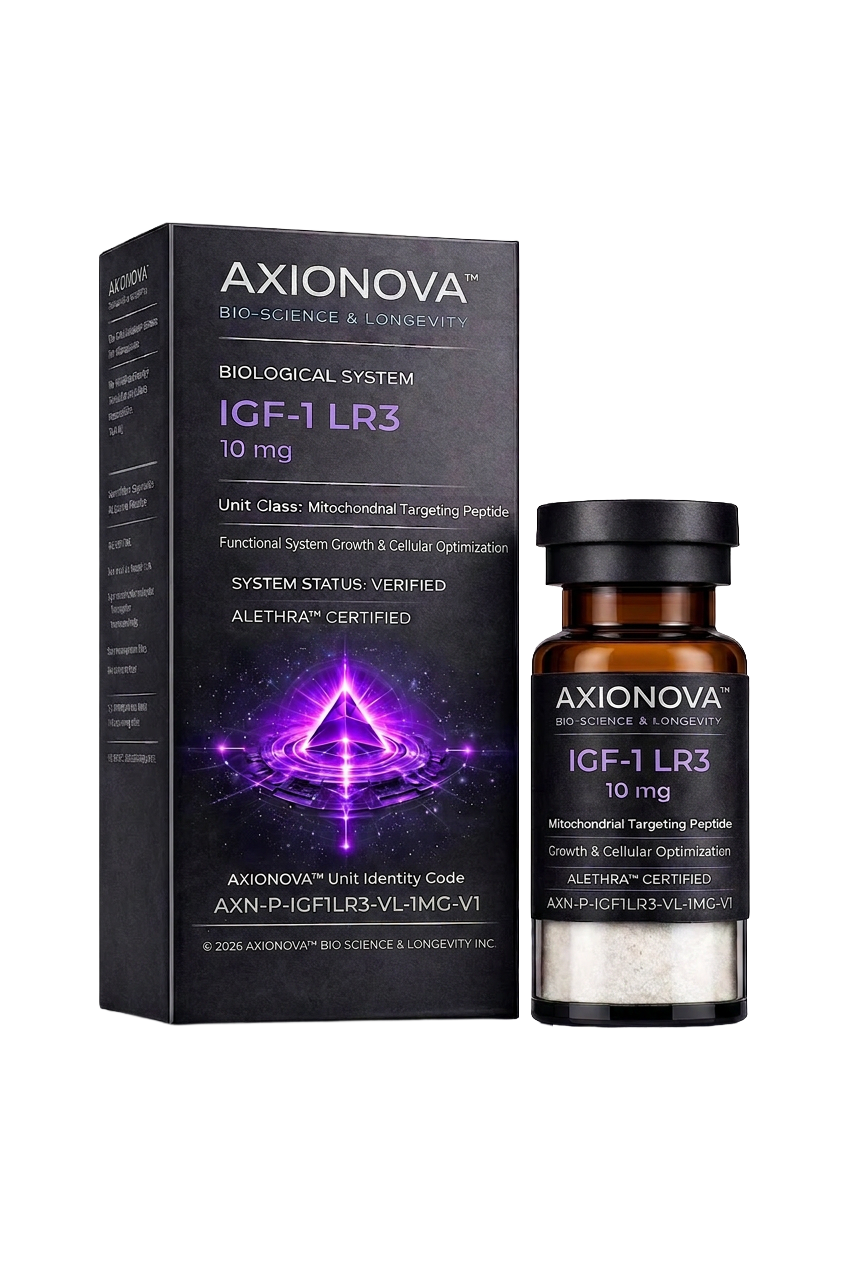
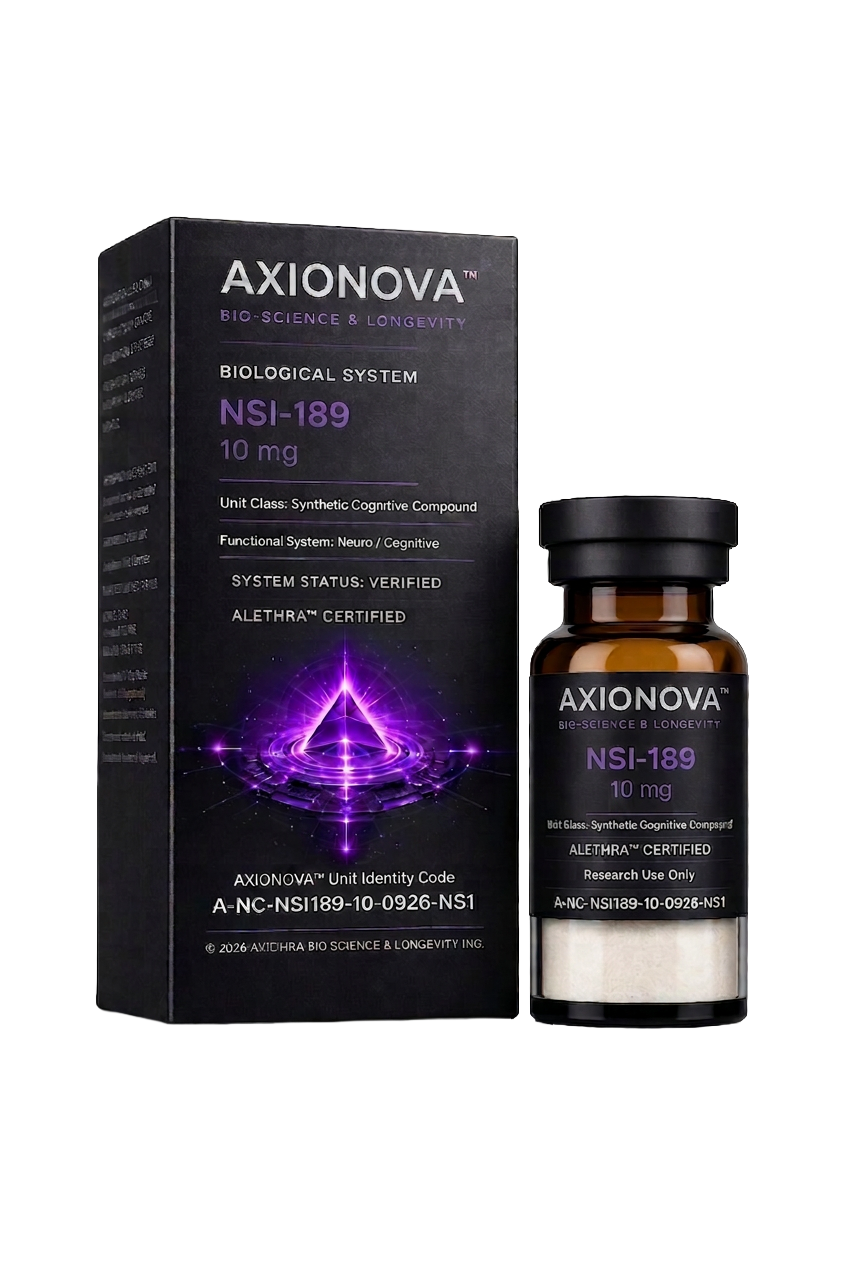
The Neuro / Cognitive system focuses on BDNF signaling, synaptic plasticity, memory, and neuroplasticity. It addresses cognitive performance and adaptive neurological resilience.




Immune / Defense
T-cell activity, Th1 / Th2 balance, and macrophage activation.
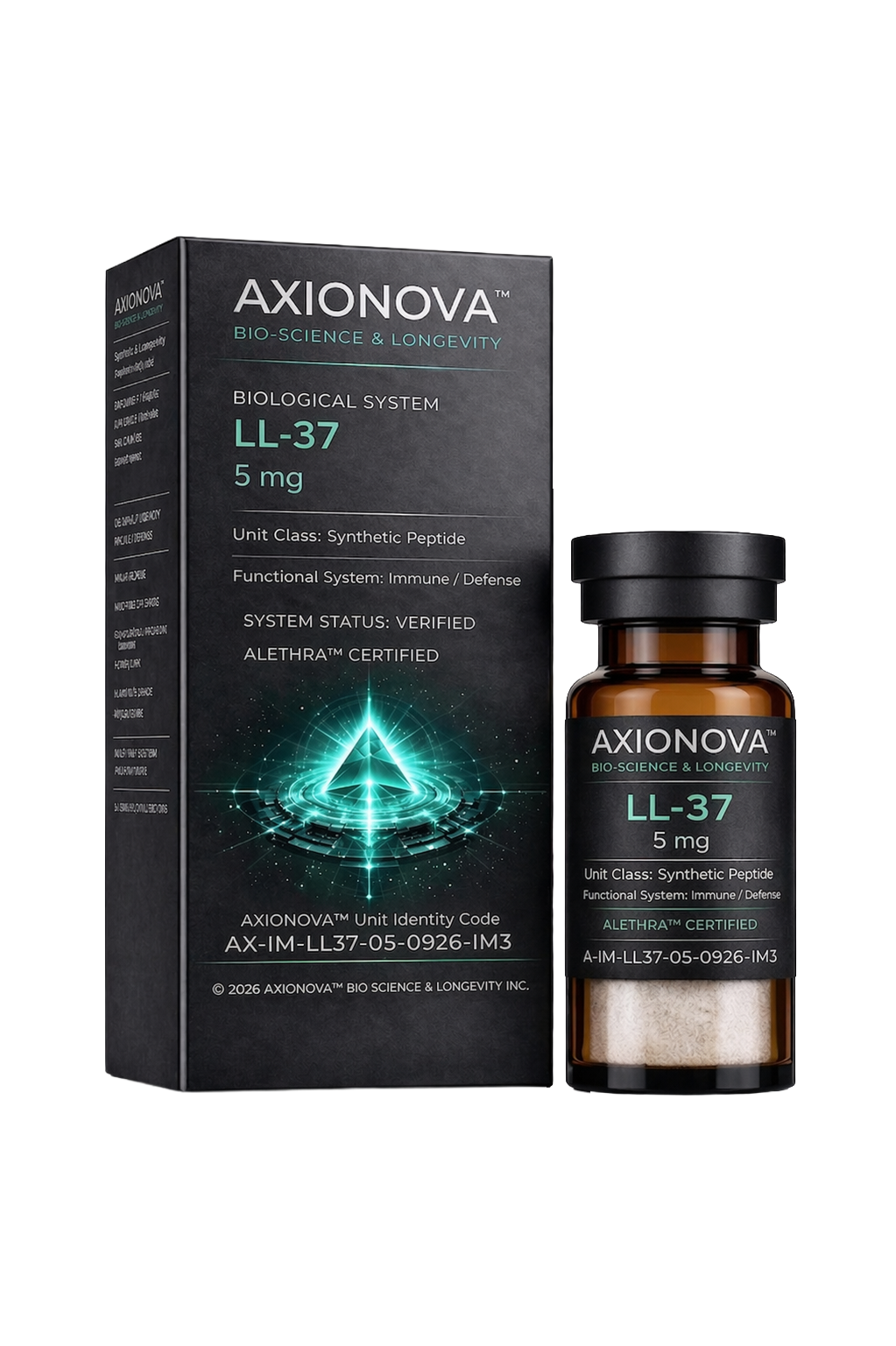
The Immune / Defense system addresses T-cell activity, Th1 / Th2 balance, macrophage activation, and immune-defense signaling. It is designed for protocols requiring controlled review of immune signaling and inflammatory context.

Mitochondrial / Cellular
Cardiolipin support, ATP production, mitochondrial biogenesis, and bioenergetic resilience.
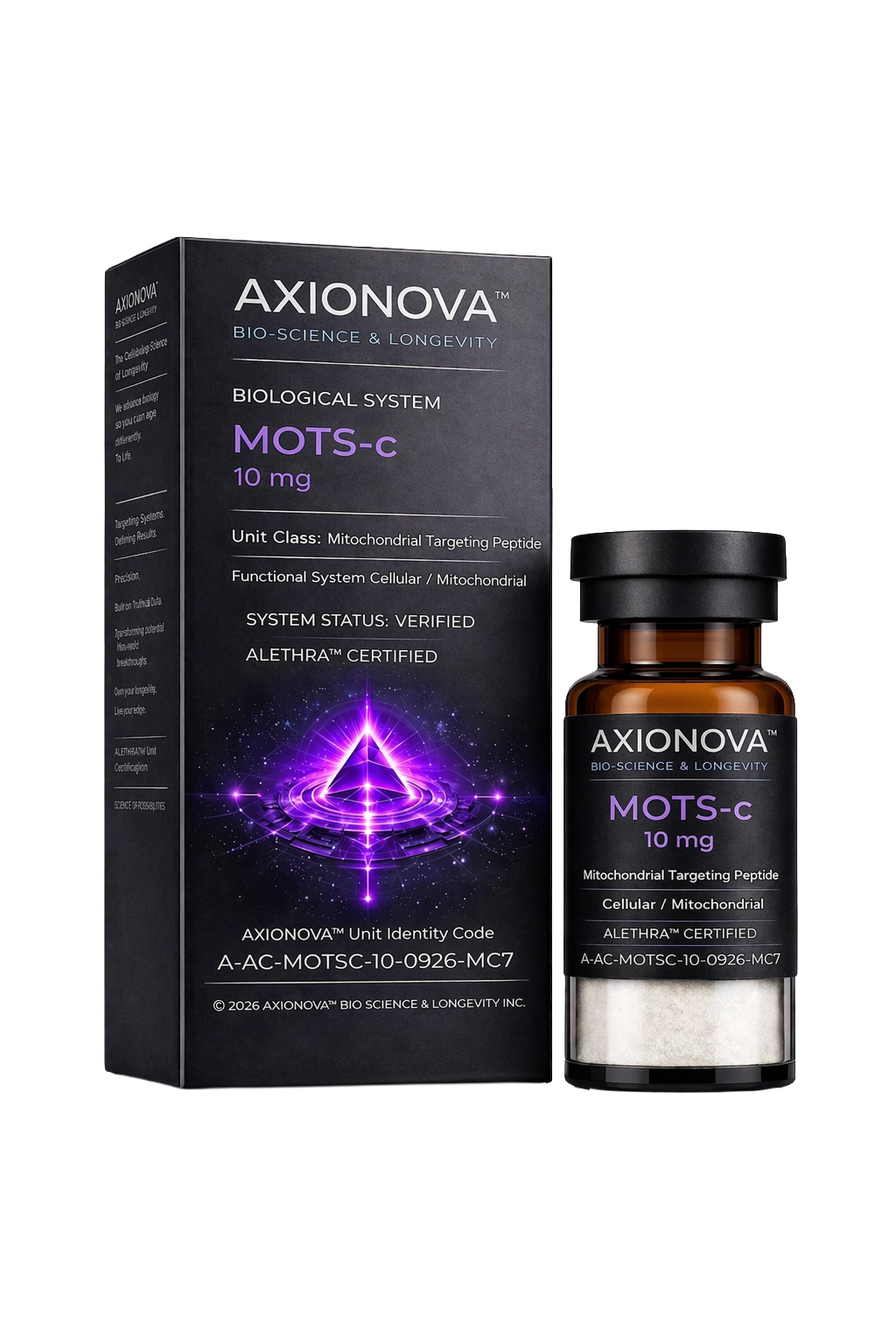
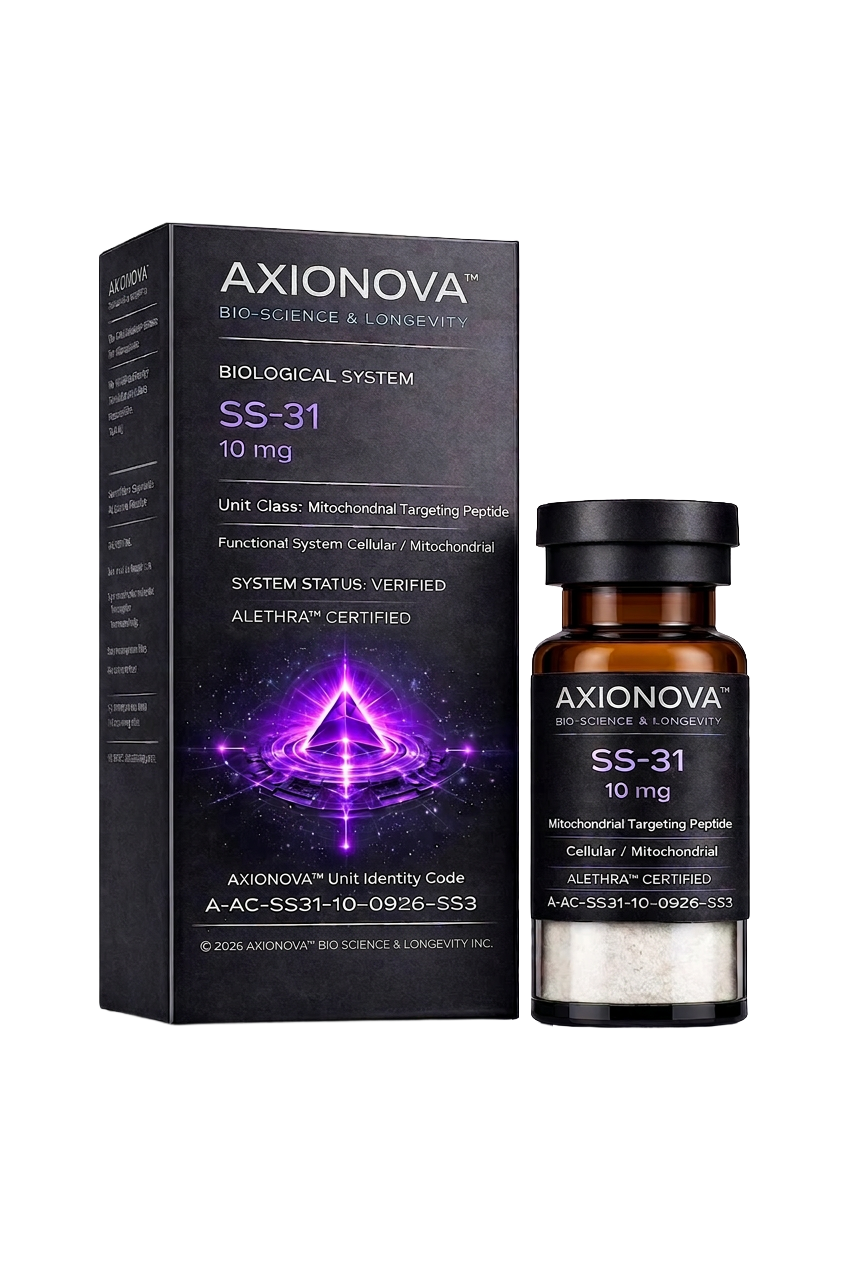
The Mitochondrial / Cellular system focuses on cardiolipin support, ATP production, mitochondrial biogenesis, oxidative-stress reduction, and cellular energy context. It is used where protocol context depends on bioenergetic resilience and cellular efficiency.
Small Molecule / Modulation
Targeted enzyme and receptor-pathway modulation with oral bioavailability considerations.
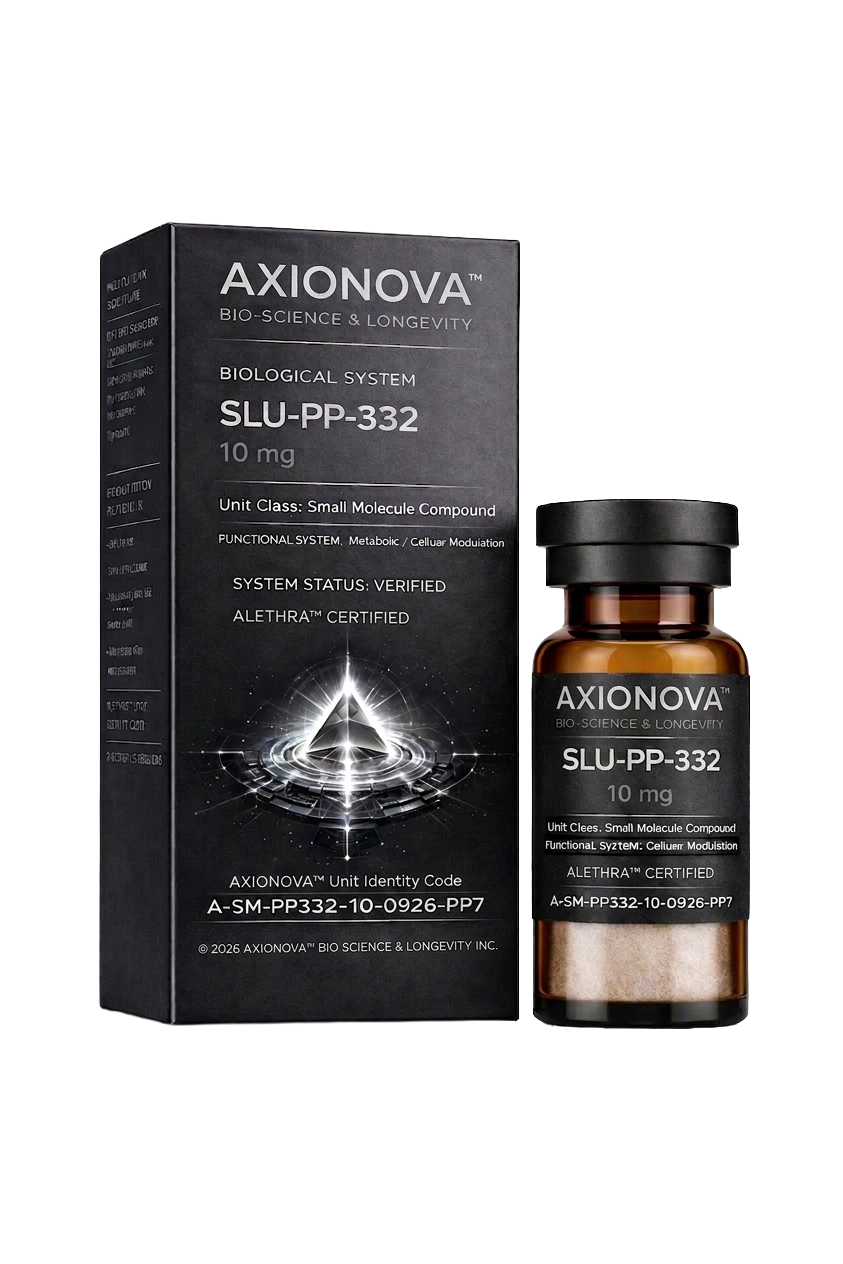
The Small Molecule / Modulation system covers targeted enzyme and receptor-pathway modulation, including NNMT inhibition, ERR-alpha agonism, NAD+ pathway support, and oral bioavailability considerations. It gives practitioners a controlled category for small-molecule interventions.

Endocrine Regulation
HPG-axis signaling, kisspeptin activity, melanocortin activation, and endocrine architecture.
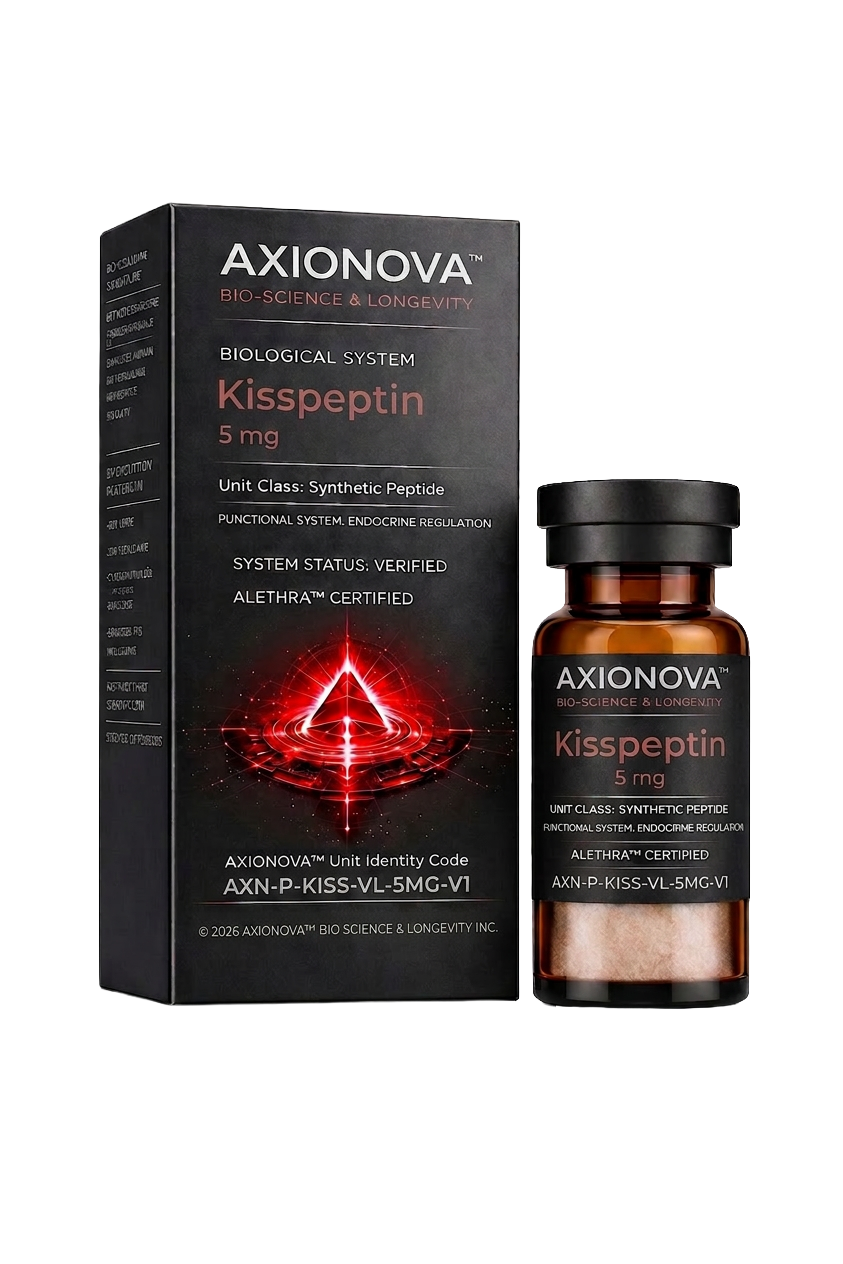
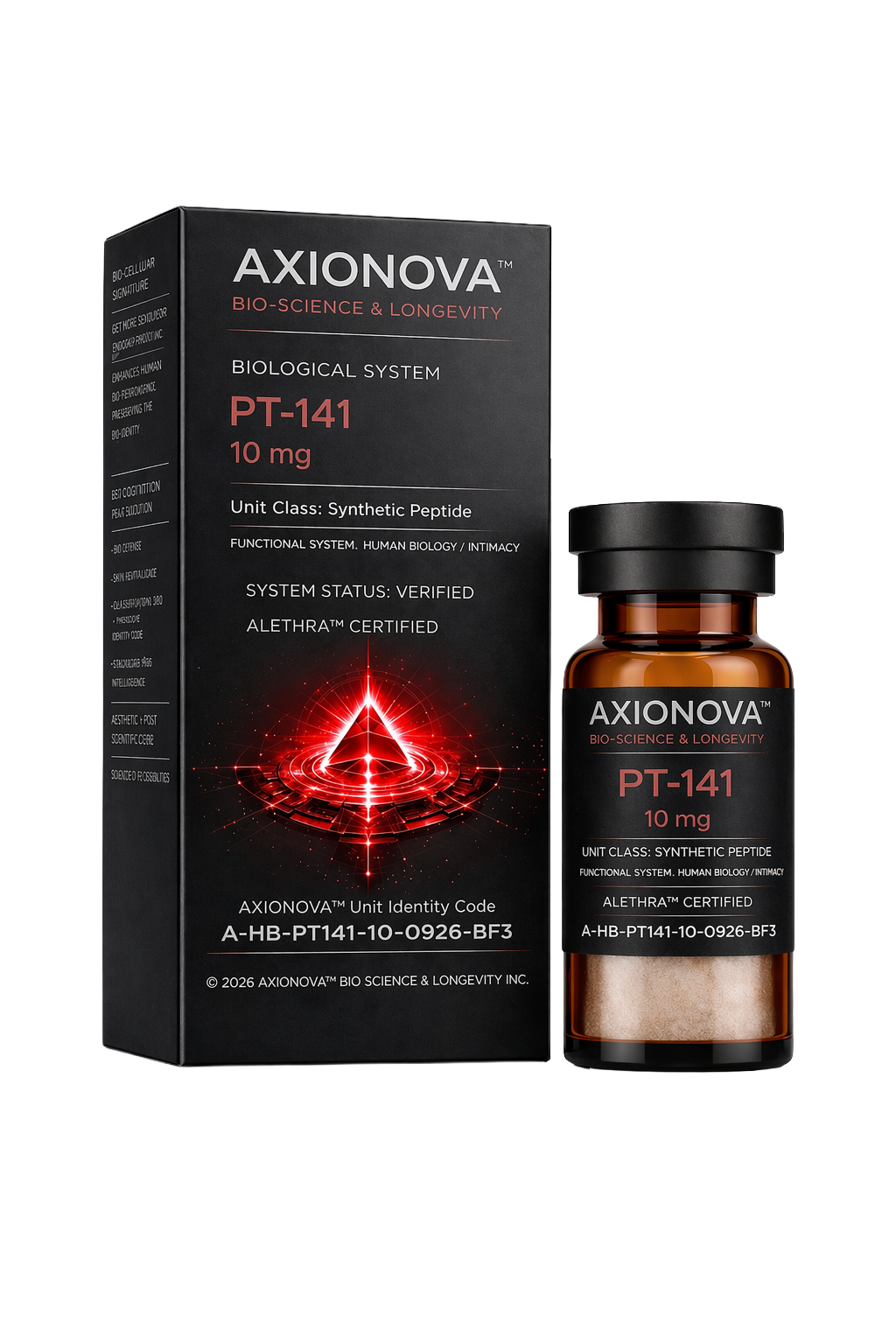
The Endocrine Regulation system focuses on HPG-axis signaling, kisspeptin activity, GnRH context, melanocortin activation, and LH / FSH pathway signaling. It is structured for protocols involving endocrine architecture and reproductive signaling.
Advanced Weight Loss
Incretin signaling, glucagon-receptor activity, and visceral-fat pathways.
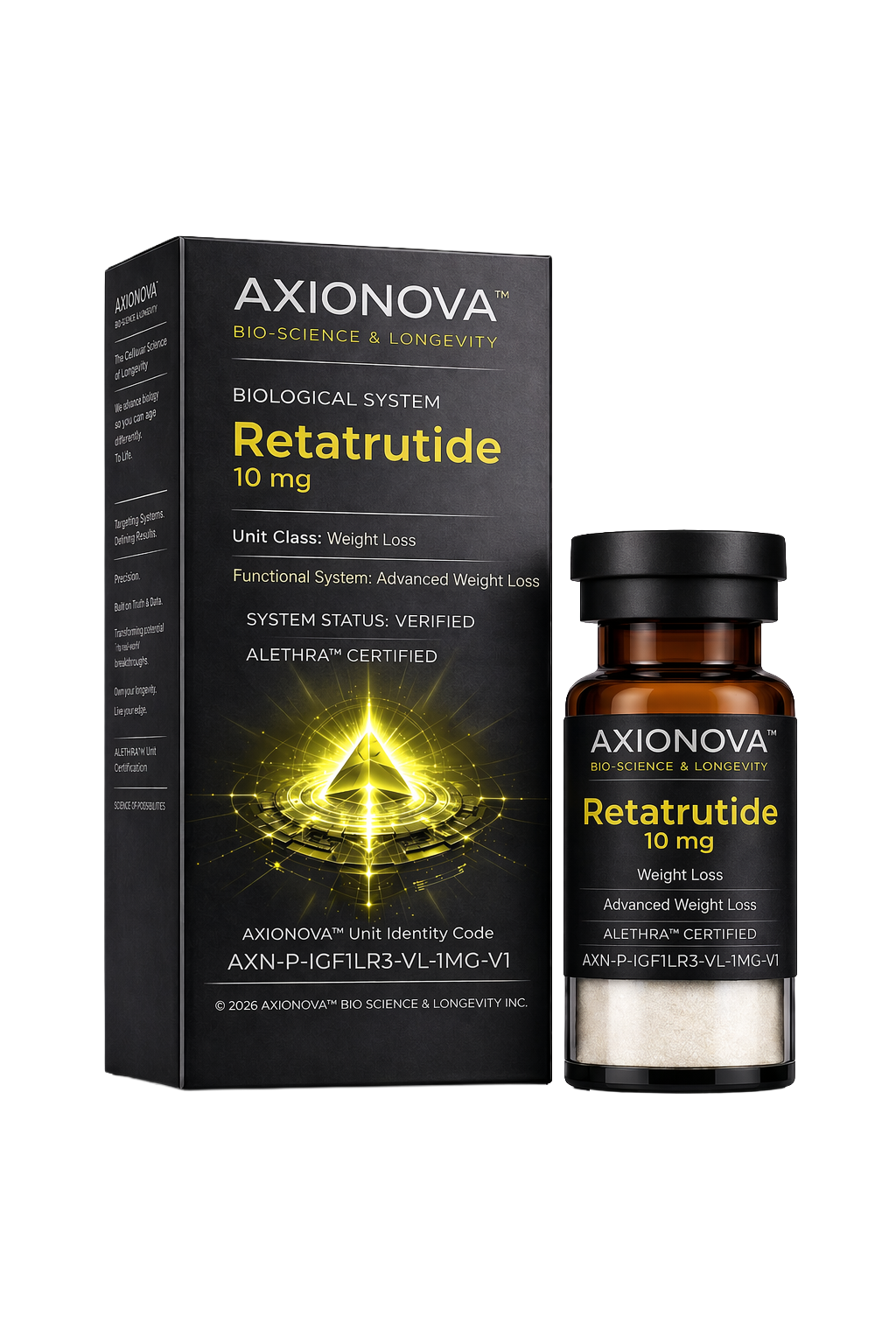
The Advanced Weight Loss system focuses on incretin signaling, glucagon-receptor activity, visceral-fat pathways, and body-composition protocols. It is prescribed and supervised by practitioners under restricted access.
Systems compose into
structured protocol stacks.
AXIONOVA™ assembles compounds across systems into governed protocol stacks before a protocol routes for practitioner review.