









What happened
On October 12, Bristol Myers Squibb reported that ACTION-1 met its primary endpoint at a planned interim analysis. The randomized phase 3 trial compares investigational RYZ101 with specified standard treatments chosen by the investigator for people whose somatostatin-receptor-positive gastroenteropancreatic neuroendocrine tumors have progressed after lutetium-177-based therapy.
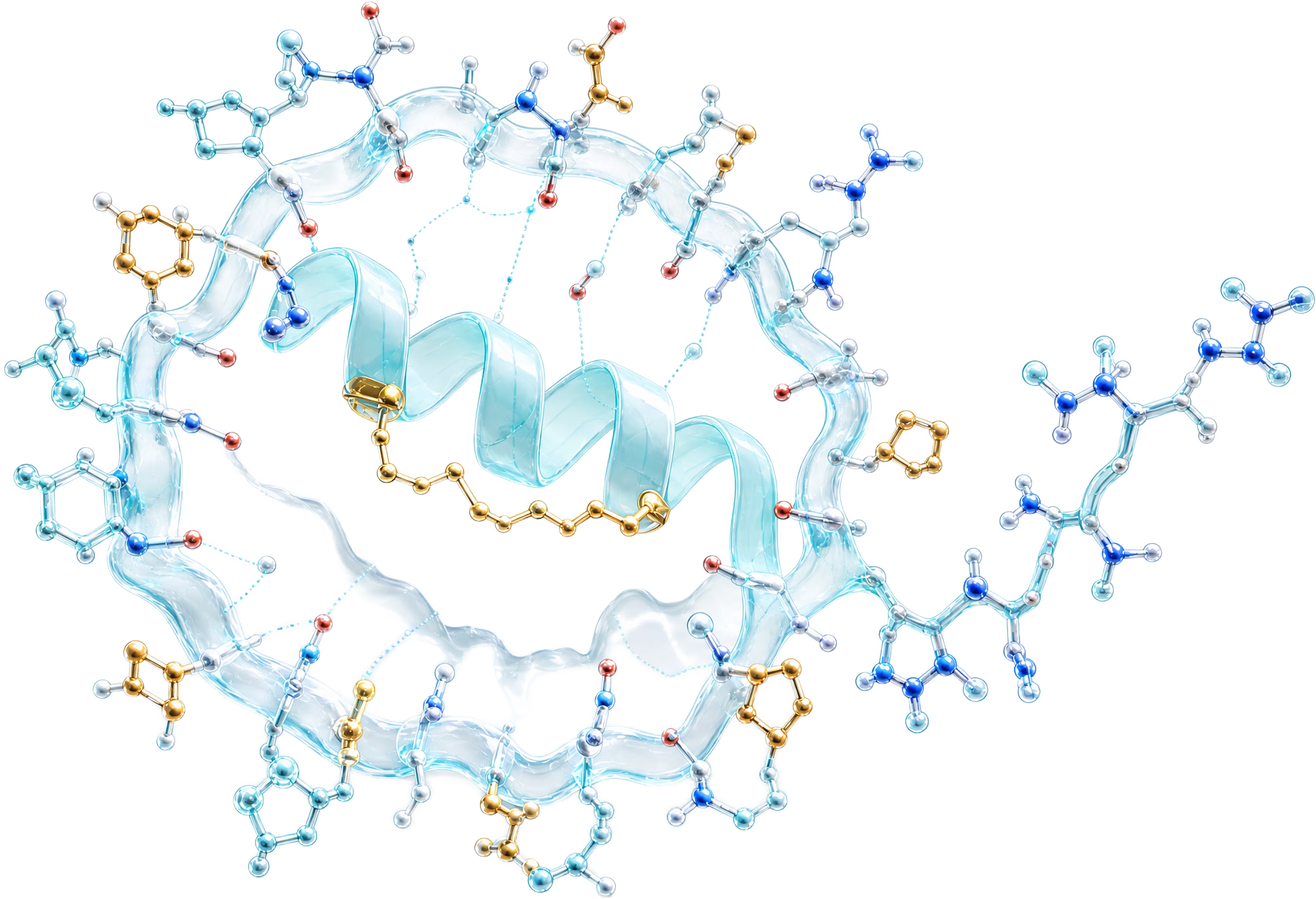
RYZ101 links the radioactive isotope actinium-225 to a tumor-targeting molecule. According to the company, blinded independent central review found longer progression-free survival with RYZ101. That endpoint measures the time until imaging shows the cancer has progressed or the patient dies. The company has not released the survival times or an estimate of the difference between groups.
Why it matters
For this selected group, the cancer has progressed despite prior lutetium-177-based therapy, creating a need to evaluate what may help next. ACTION-1 now provides a sponsor-reported phase 3 signal that a receptor-targeted actinium-225 treatment can delay the trial’s measure of progression compared with the specified treatment choices. The approach delivers short-range alpha radiation after its targeting molecule reaches receptor-bearing cells.
If the detailed results support the announcement, they could inform how this treatment is assessed after prior radioactive therapy. For now, the announcement does not reveal the size or durability of the benefit, establish that patients live longer, or make the investigational drug an approved treatment.
Evidence
Bristol Myers Squibb reported a statistically significant difference in progression-free survival, assessed by blinded independent central review. ACTION-1 compared RYZ101 with the investigator’s choice of higher-dose or more frequent long-acting somatostatin analogues, everolimus, or sunitinib. Statistical significance indicates that the interim analysis met the trial’s threshold; without the numerical results, it does not tell readers how much longer participants went without progression.
The sponsor did not provide a participant count, median progression-free survival, hazard ratio, absolute difference, or adverse-event breakdown for this analysis. It said safety was consistent with RYZ101’s known profile, but the missing breakdown prevents an independent appraisal of that statement and of the benefit–risk trade-off. Participants will continue to be followed for overall survival.
What remains unknown
The most immediate unanswered question is the size of the progression-free-survival benefit. A positive interim result does not show how much additional time without progression patients experienced. Detailed adverse-event results are also needed to judge that benefit alongside treatment risks.
It is not yet known whether RYZ101 helps patients live longer, or whether regulators will find the full evidence sufficient for approval. The sponsor said the FDA granted RYZ101 orphan-drug designation for gastroenteropancreatic neuroendocrine tumors in August 2026; that designation is not marketing approval.
Who may be affected
The result is most directly relevant to people with somatostatin-receptor-positive gastroenteropancreatic neuroendocrine tumors that have progressed after lutetium-177-based therapy, and to oncology teams considering subsequent treatment options. It does not establish that RYZ101 is an available treatment.
AXIONOVA connection
ACTION-1 is a test of whether receptor-guided radiopharmaceutical treatment can help after an earlier radioactive treatment has stopped controlling the cancer. The next evidence checkpoint is the detailed trial analysis: how large the progression-free-survival difference was, what adverse events occurred, and what later follow-up shows about overall survival.
What ALETHA can explain
How a receptor-selected radiopharmaceutical differs from external-beam radiation; what progression-free survival counts and why it is not the same as overall survival; and why a statistically positive interim result, orphan-drug designation, and marketing approval are three different things.
Action posture
Monitor: Await the numerical phase 3 results, safety breakdown and regulatory assessment before drawing treatment conclusions.